Blood Oxygen (SpO₂) on a Wearable: What Your Reading Means and How to Use It
Blood oxygen is one of the metrics people check most often on a wearable, and one of the most misunderstood. A single low reading can feel alarming, while a perfectly steady number can feel meaningless. Understanding what the measurement is, and what it is not, makes the data far more useful.
What is SpO₂?
SpO₂ stands for peripheral oxygen saturation. It estimates the percentage of hemoglobin in your blood that is carrying oxygen. Hemoglobin is the protein in red blood cells that transports oxygen from your lungs to the rest of your body.
Many healthy people at rest, at or near sea level, read in the mid-to-high 90s. Your own typical range depends on you, your environment and how the measurement is taken, which is why your personal pattern matters more than a single number.
How a wrist wearable measures it
Wrist trackers use an optical sensor that shines light into the skin and measures how much of it is absorbed. Oxygen-rich and oxygen-poor blood absorb light differently, and an algorithm turns that difference into an estimate.
A fingertip pulse oximeter works on a similar principle, but in a different spot. The wrist is convenient for continuous wear, but it is also more exposed to movement and changes in fit, so wearable readings are best read as estimates and trends.
Why your reading can vary
- Movement: even small movements can disturb the optical signal.
- Fit: a band that is too loose lets light leak in, while one that is too tight can affect circulation.
- Cold hands and wrists: reduced blood flow near the skin can make readings less stable.
- Sleeping position: lying on your wrist can briefly affect the signal.
- Altitude: readings are often lower at high altitude, where there is less oxygen in the air.
- Skin and tattoos: pigment and ink can influence how light travels through the skin.
Why overnight data is the most useful
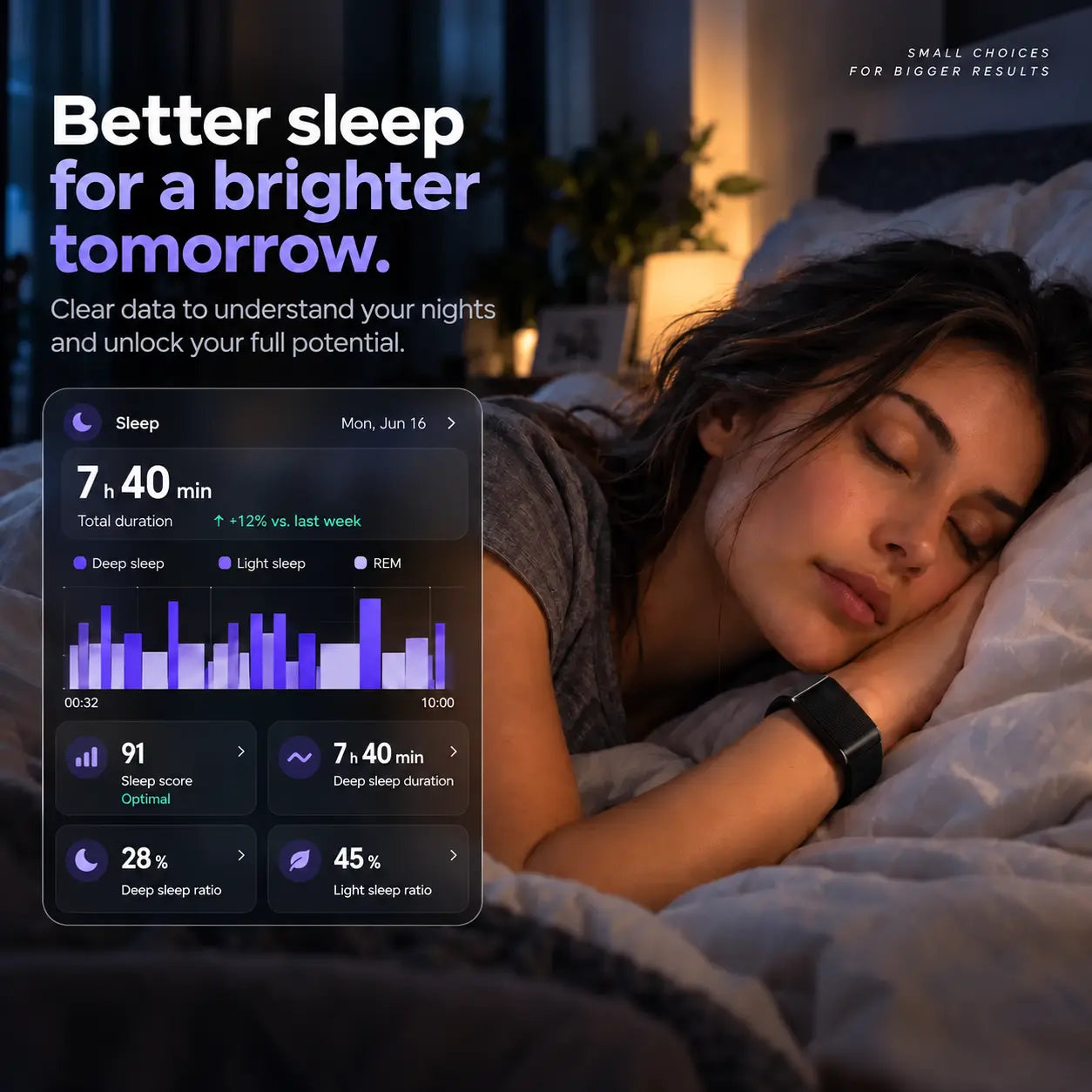
During the day you move constantly, which makes optical measurements noisier. At night you stay still for long periods, so many wearables focus their blood oxygen tracking on sleep. Looking at several nights side by side shows your usual pattern and makes a change easier to notice.
Brief dips during the night can happen for ordinary reasons, including movement or a change of position. What matters more is whether your nights look broadly similar over time, and whether anything unusual appears together with how you feel.
How to read your blood oxygen trends
- Build a baseline. Give yourself a couple of weeks of regular overnight wear before drawing conclusions.
- Compare like with like. A night at altitude, after a long flight or while you are unwell is not your usual night.
- Look for repetition. One unusual night is rarely meaningful; a pattern that repeats is worth noting.
- Read it alongside other signals. Sleep duration, resting heart rate, HRV and how rested you feel all add context.
When to talk to a professional
A wearable cannot diagnose a sleep or breathing condition. If you snore loudly, someone notices pauses in your breathing, you wake up gasping or you feel very sleepy during the day, speak with a healthcare professional. Your recorded trends can be a helpful starting point for that conversation.
If you feel short of breath, have chest pain or feel unwell, seek medical help straight away. Do not wait for, or rely on, a wearable reading.
Tracking blood oxygen with ThumpFit
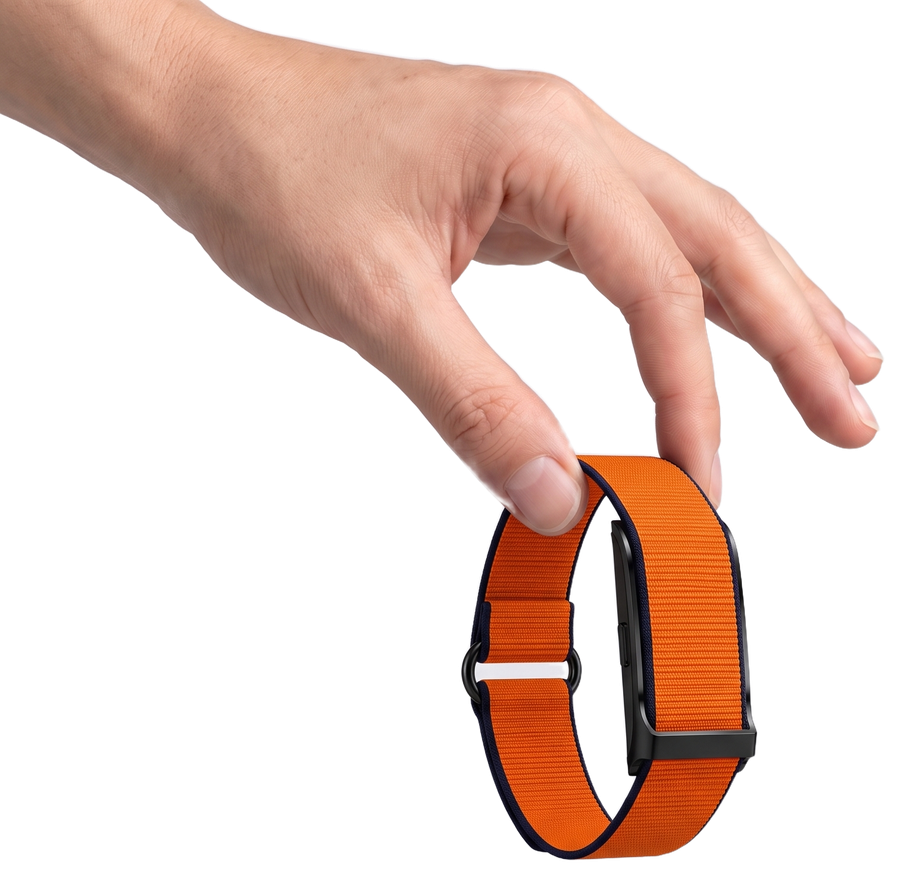
ThumpFit tracks blood oxygen alongside heart rate, sleep, activity and recovery, and shows your trends in the free companion app. Because it has no screen and offers 30+ days of battery life depending on use, it is easy to keep on night after night, which is exactly what blood oxygen trends need. The core tracking experience does not require a subscription.
ThumpFit is a wellness and fitness tracker, not a medical device. Its blood oxygen readings are estimates and are not intended to diagnose, treat or prevent any condition.
Frequently Asked Questions
Is a wrist SpO₂ reading as accurate as a fingertip oximeter?
Wrist readings are generally more sensitive to movement and fit. They are best used to follow your own trends over time rather than as a single precise value.
Why is my blood oxygen lower at night?
Small changes during sleep are common, and position or movement can briefly affect the signal. Compare several nights rather than focusing on one.
Does altitude affect blood oxygen readings?
Yes. There is less oxygen in the air at higher altitude, so readings are often lower while you are there.
Can a wearable detect sleep apnea?
No consumer wearable should be used to diagnose sleep apnea. If you are concerned, speak with a healthcare professional, who can arrange appropriate testing.
Curious about the band?
See the band