Feeling Off but Told Everything Looks Normal? Why Your Day-to-Day Trends Matter
You feel tired in a way that sleep does not fix. Your energy rises and falls without an obvious reason. Some weeks you simply do not feel like yourself. Then you see a professional, the results come back fine, and you are told that everything looks normal.
That can be genuinely reassuring. It can also leave you with a question: if everything is normal, why do I still feel this way?
A snapshot versus a curve
An appointment captures how you are on one day, at one time, in one setting. That snapshot is valuable. But what you live is a curve: nights, weeks and months that rise and fall with your sleep, your workload, your cycle and your routine.
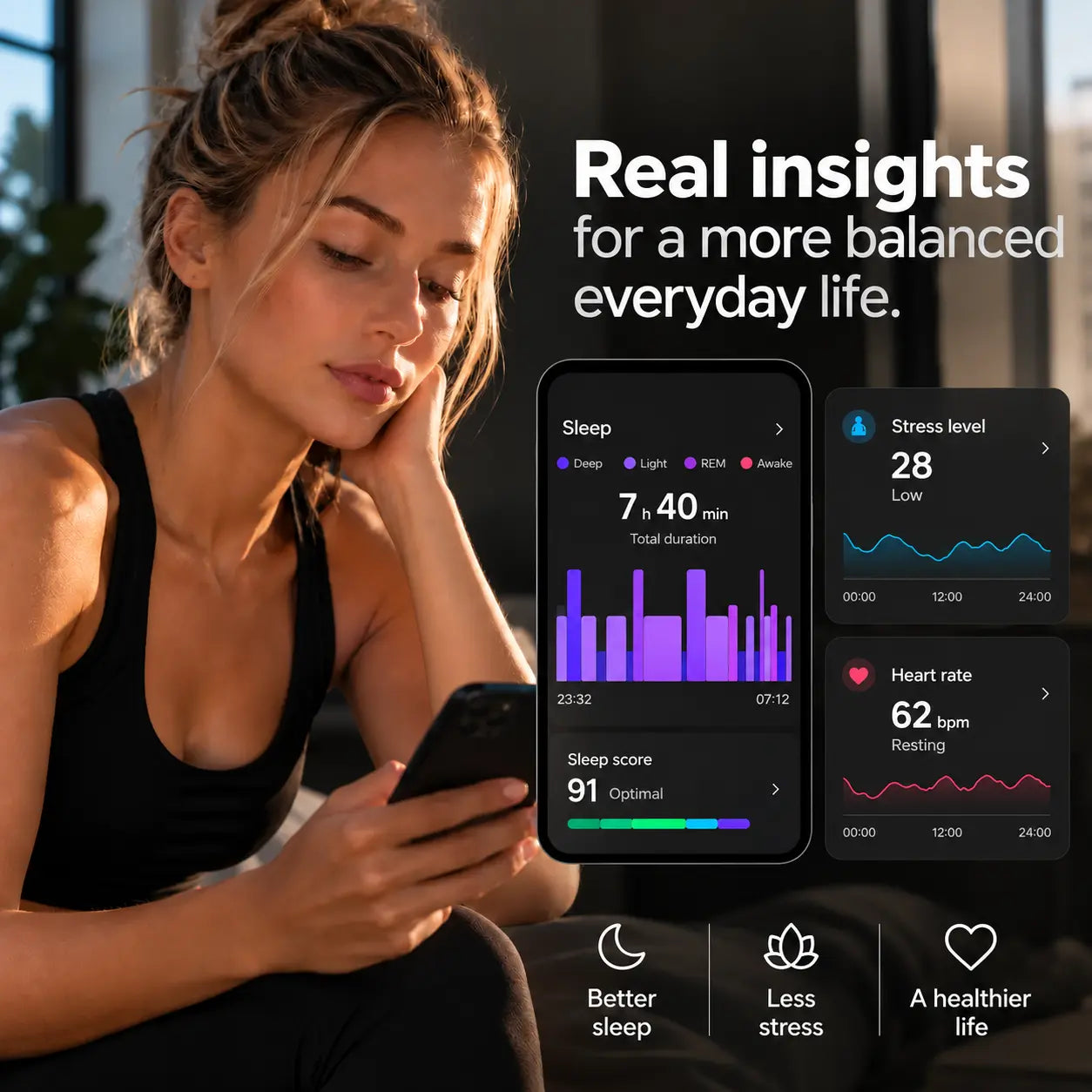
Some patterns only become visible over time. A rough patch that comes back every few weeks, sleep that gets shorter whenever work gets busy, a resting heart rate that drifts up during certain periods. None of this fits into a single visit. It fits into a record.
What a personal record can include
Sleep: how long you sleep and how regular your nights are.
Resting heart rate and HRV: how they compare with your own usual range.
Energy and mood: a quick daily score from 1 to 5 is enough.
Symptoms: what you notice, when it starts and how long it lasts.
Cycle: dates and how you feel across the month, if relevant to you.
Context: travel, illness, stressful events, changes in training or medication.
Why continuous wear matters
A sensor you take off measures nothing. The nights you are not wearing your tracker are the gaps in your curve, and those gaps often fall exactly when something is going on. That is why comfort, battery life and actually wanting to keep the device on matter as much as the sensors themselves.
How to prepare for your next appointment
Track for several weeks. Long enough to see more than one good week and one bad week.
Write a one-page summary. When it started, what you notice, how often, and what seems to make it better or worse.
Add a few clear observations from your data. For example: sleep has been about an hour shorter on most nights this month.
List your questions. Bring the two or three things you most want answered.
Share, do not self-diagnose. Present your record as context and let the professional interpret it.
What your data can and cannot do
A wearable can help you notice patterns and describe them more precisely. It cannot tell you what is causing them, and it does not replace examinations, tests or professional advice. Think of it as a diary that writes part of itself.
And if something feels urgent or suddenly much worse, do not wait to collect more data. Seek medical help.
Keep your curve with ThumpFit
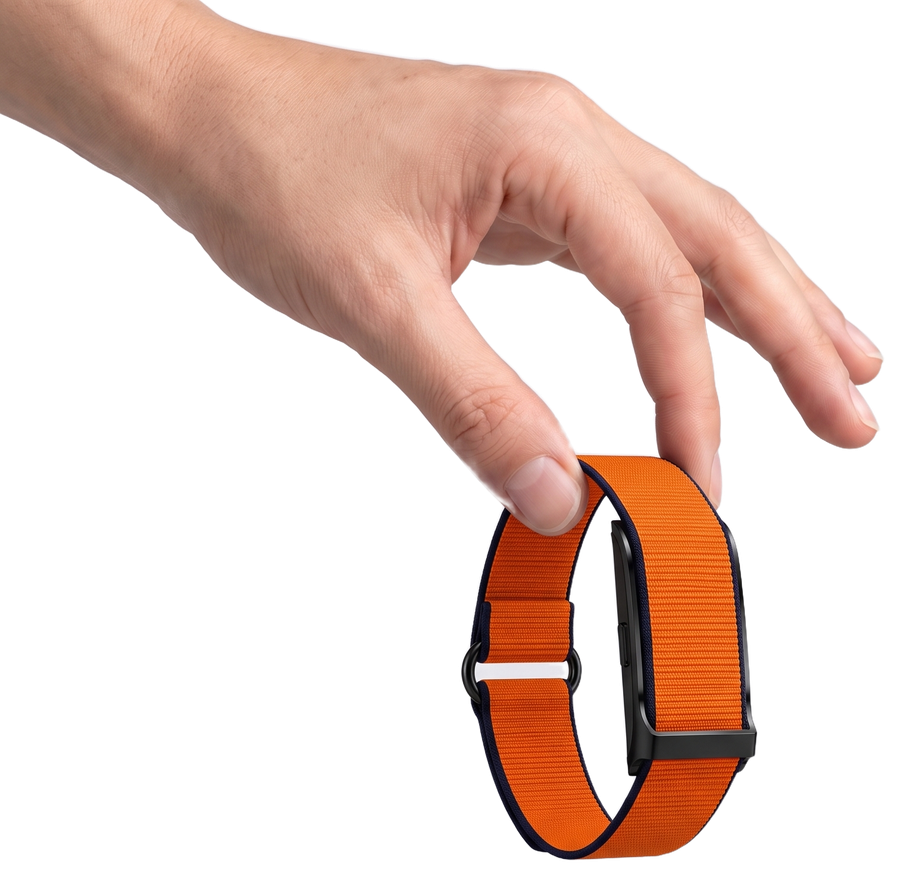
ThumpFit tracks heart rate, sleep, blood oxygen, activity and recovery, and keeps your history in the free companion app, with no subscription for the core tracking experience. It has no screen and offers 30+ days of battery life depending on use, so there are very few reasons to take it off, and very few gaps in your record.
ThumpFit is a wellness and fitness tracker, not a medical device. Its data is not intended to diagnose, treat or prevent any condition.