How Stress Shows Up in Your Body: Reading Heart Rate, HRV and Sleep Together

A demanding week rarely announces itself with one dramatic sign. More often it shows up quietly: you fall asleep later, wake up less rested and feel wired and tired at the same time. Your body keeps a record of that week too, and with continuous tracking you can start to see it.
What stress does in the body
When you face pressure, your nervous system shifts toward a more alert state. Your heart rate can rise, your attention sharpens and your body prepares to act. That response is normal and useful in short bursts. The challenge comes when the pressure does not switch off and your body has fewer chances to return to a calmer state.
Three signals worth watching
1. Resting heart rate
During a stressful period, some people notice that their resting heart rate sits higher than usual, especially overnight. The key word is usual: compare with your own pattern, not with anyone else's.
2. Heart rate variability (HRV)
HRV reflects the small variations in time between heartbeats and is influenced by the nervous system. During demanding periods, HRV often trends below your personal baseline. Like resting heart rate, it is most meaningful as a trend over several days.
3. Sleep
Stress can make it harder to fall asleep, lead to more awakenings or shorten the night. Looking at sleep duration and stages over a week can show whether your nights are absorbing the pressure of your days.
Read the signals together
Each of these measures can move for many reasons, from a late dinner to a hard workout or the start of a cold. One signal on its own says little. When several point in the same direction for several days, such as a higher resting heart rate, lower HRV and shorter sleep, it is a useful prompt to look at what is going on in your life.
A simple weekly stress check-in
- Look back, not live. Review your week once, instead of checking your numbers every hour.
- Match data with diary. Note deadlines, travel, conflict, illness or late nights next to your trends.
- Spot your patterns. You may find that certain days, meetings or habits show up again and again.
- Choose one change. Pick a single, realistic adjustment for the week ahead.
Small habits that help your body downshift
- Slow breathing with a longer exhale, for a few minutes, a few times a day.
- A short walk outside, especially in daylight.
- A consistent wind-down routine and a regular bedtime.
- Keeping caffeine earlier in the day and going easy on alcohol, which can disturb sleep.
- Lighter training on days when everything else already feels heavy.
None of these is a magic fix, but your trends can show you which ones seem to make a difference for you.
Do not let tracking become another stressor
Data should make you feel more informed, not more anxious. If checking your numbers adds pressure, check less often and focus on how you feel. And if stress, low mood or anxiety feel overwhelming or persistent, reach out to a healthcare professional or someone you trust.
How ThumpGem helps you see the bigger picture
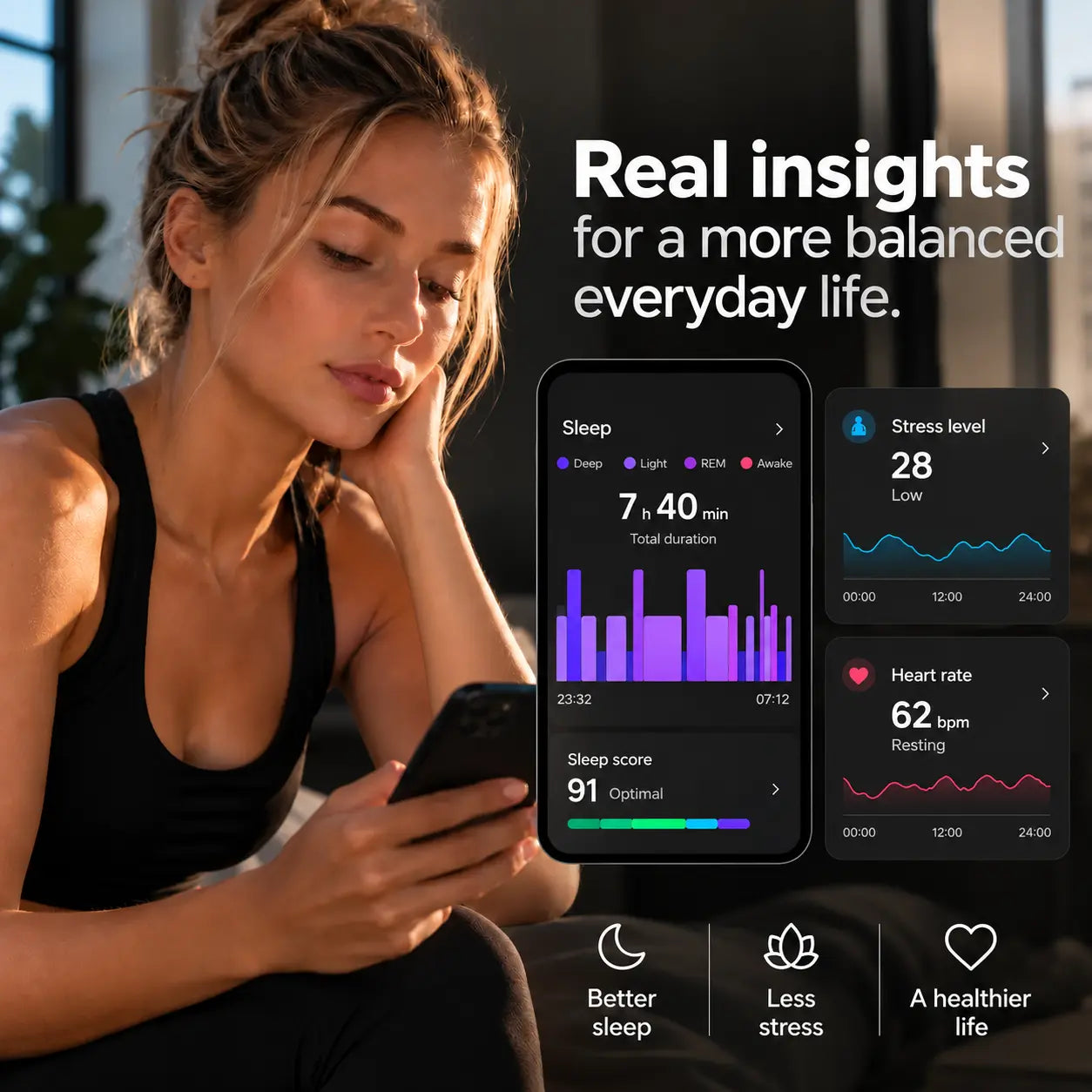
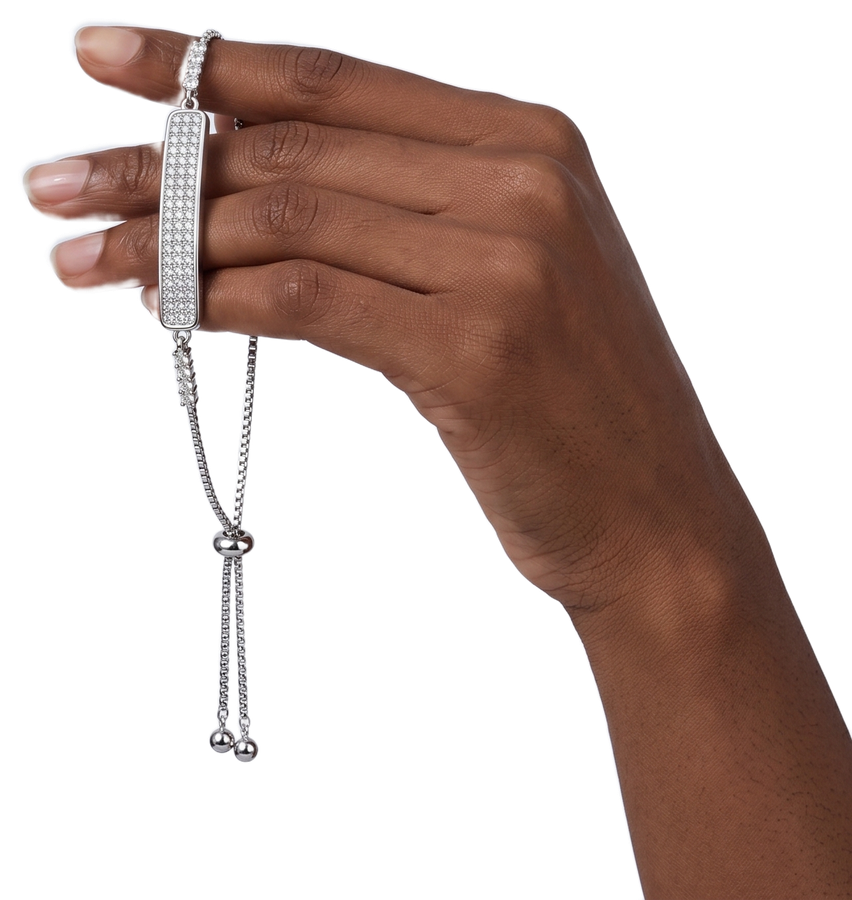
ThumpGem records heart rate and HRV around the clock and brings them together with sleep stages, blood oxygen, a stress level and a daily recovery score in the free companion app. It looks like a fine bracelet, a crystal bar on an adjustable chain, so it stays on through busy days and restless nights. Nothing lights up and nothing buzzes, so it never adds one more notification to a stressful day.
ThumpGem is a wellness device, not a medical device. It does not diagnose, treat or prevent any condition, including stress or anxiety disorders.
Frequently Asked Questions
Can a wearable measure stress?
A wearable cannot measure how stressed you feel. It can track physical signals, such as heart rate and HRV, that often change during demanding periods, and estimate a stress level from them.
Why is my HRV low after a stressful day?
HRV is influenced by the nervous system, which responds to pressure, poor sleep, alcohol, illness and hard training. Look at the trend over several days rather than one reading.
How long does it take for my numbers to return to normal?
It varies from person to person and depends on what caused the change. Following your trend as things settle is the best way to learn your own pattern.
Curious about ThumpGem?
See ThumpGem